Lords of
Destiny
A hidden school of making, built by a father for three kids. They learn to direct an AI, not be sold by it, and ship real software to the open internet. Free to steal, never for sale.
My kids will spend their working lives beside intelligences that can build almost anything. I did not want them to grow up merely consuming that power, scrolling it, being sold by it. I wanted them to learn to direct it: to stand in a terminal, say what should exist, inspect what comes back, and ship it to the world. So I built them a school that looks like a storybook and behaves like a real software studio.
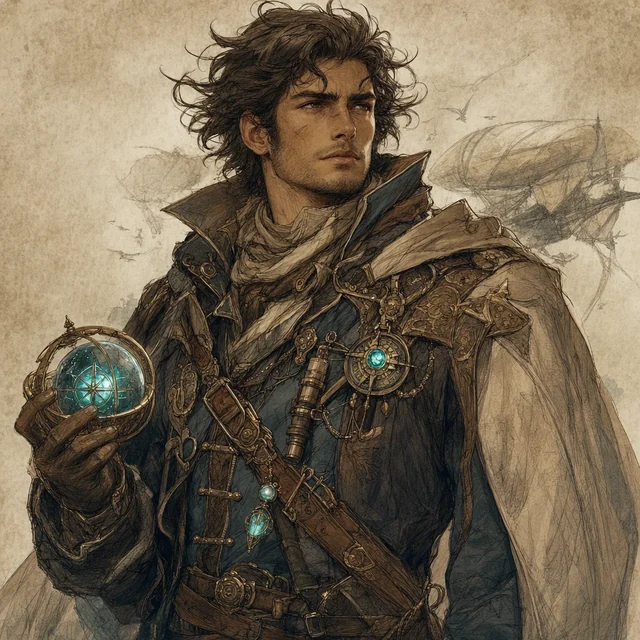
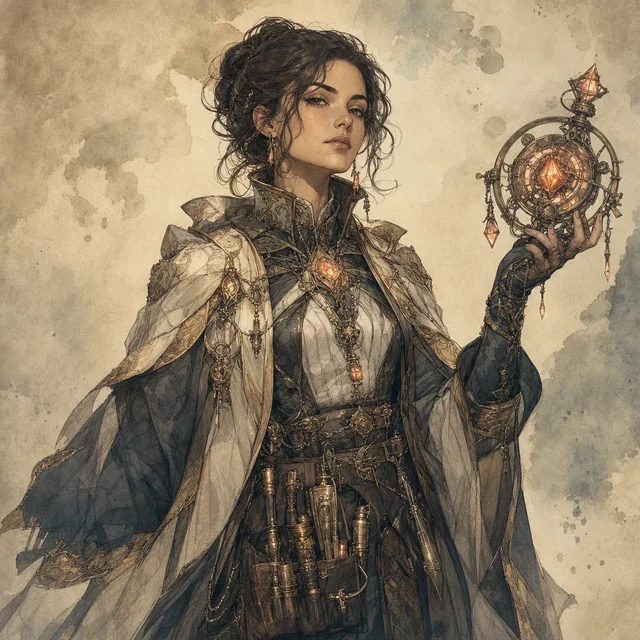
Every lesson ends in something real. An app on the open internet, a demo given out loud to a parent, real allowance earned against an honest ledger. Grace, Gavin, and Sophie each get their own themed world and one real project they already care about: a surf-and-buoy tracker, a games hub for family game night, a study companion with its own brain. The curriculum is not about the project. The curriculum is the project.
The loop
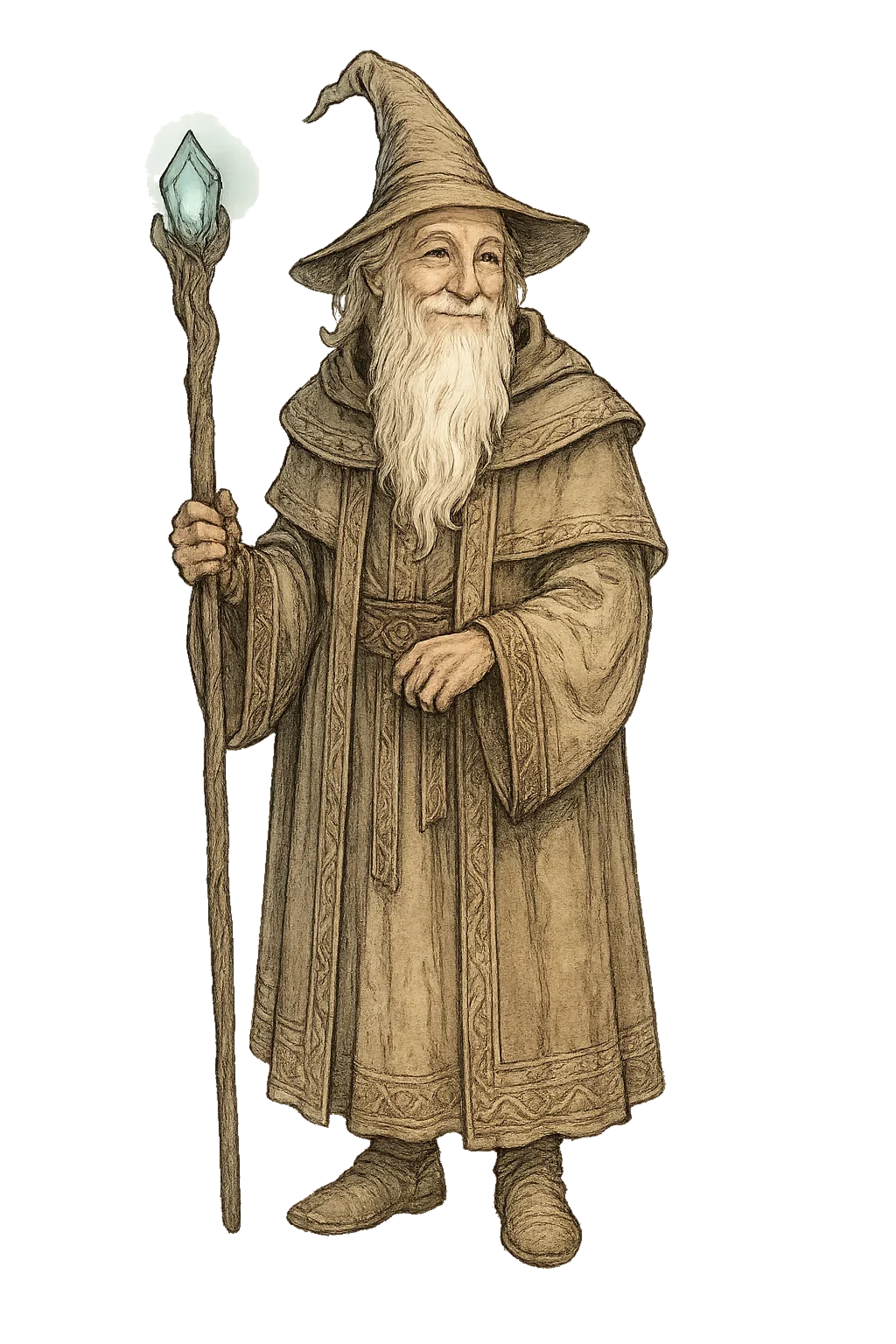
A tutor named Sage, one wizard, patient and exact, coaches every page and grades a “teach-back” before a kid can move on. Enter the world, say it to Claude, build on your app, teach it back to Sage, demo it to a parent, and verified work becomes real gold. Six steps, spec to ship, the same loop a professional studio runs, drawn in the language of a quest.
Here is the part I care about most: the whole blueprint is published, free, and it will never be sold. The stack, the tutor design, and the data model are all on the page as an open codex. If it stokes you to build one for your own kids, that is the entire point. Steal everything.
“They speak, and real software answers. I wanted them to learn to direct it, not be sold by it.”Lords of Destiny
- 3
- Kids, three worlds
- 3
- Real apps shipped
- VI
- Steps, spec to ship
- 1
- Wizard tutor, Sage
- Free
- The whole blueprint
- Never
- For sale